
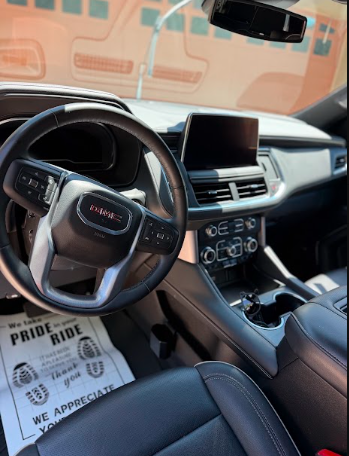
How to Get Rid of Pet Hair and Odor in Your Car (Without Ruining the Interior)
If you've ever vacuumed your back seat and pulled the hose away only to find just as much dog hair sitting there as before, you already know the problem with generic advice on how to remove pet hair from car upholstery. Regular vacuums simply aren't built to pull embedded fur out of woven fabric, and odor is even trickier — it soaks into carpet padding, seat foam, and HVAC systems in ways that air fresheners only mask. This guide walks through what actually works, what wastes your time, and when it's worth calling in a professional to finish the job properly.
Why Pet Hair and Odor Are So Hard to Remove From Cars
Pet hair doesn't just sit on top of car upholstery — it works its way into the weave of the fabric, especially on textured seats and carpet. Static from the vehicle's interior makes it cling even tighter, which is why a quick vacuum pass often barely makes a dent. Odor is a separate but related problem: pet dander, saliva, and moisture soak into carpet padding and seat foam, well below what a surface wipe-down can reach. Once bacteria starts breaking down that trapped moisture, the smell keeps regenerating no matter how many air fresheners you hang from the mirror. Understanding this difference between surface hair and embedded odor is the key to picking the right method instead of wasting a weekend on tools that only address what's visible.
DIY Methods That Actually Work (and Ones That Don't)
| Method | Effectiveness | Notes |
|---|---|---|
| Rubber squeegee or pet hair brush | Good | Breaks static bond better than a vacuum alone |
| Standard vacuum only | Poor | Leaves embedded hair behind on textured fabric |
| Fabric softener + water spray | Moderate | Loosens hair before vacuuming, but must be used sparingly |
| Air fresheners for odor | Poor | Masks smell temporarily; doesn't remove the source |
| Baking soda treatment | Moderate | Helps absorb surface odor but not deep-set moisture |
| Professional extraction cleaning | Excellent | Reaches embedded hair and odor sources DIY tools can't |
Step-by-Step: Removing Pet Hair From Car Seats and Carpet
- Start with a rubber tool. A damp rubber squeegee or pet-specific brush breaks the static bond holding hair to fabric far better than a vacuum brush alone.
- Work in one direction. Dragging the tool in a single direction gathers hair into rows instead of scattering it further into the fabric.
- Vacuum with a motorized brush attachment. A rotating brush head lifts loosened hair more effectively than a standard hose attachment.
- Repeat on carpet and floor mats. Hair tends to migrate to footwells, so don't stop at the seats.
- Check seams and crevices. Seat seams, cup holders, and door pockets often hold onto the most stubborn buildup.
Getting Rid of Pet Odor for Good, Not Just Masking It
Real odor removal starts with finding where moisture and dander have actually soaked in, not just spraying the visible surface. An enzymatic cleaner formulated for pet odor breaks down the organic material causing the smell, rather than simply covering it with fragrance. For odors that have reached the carpet padding underneath, surface treatment isn't enough — the padding itself often needs an extraction process that pulls moisture and odor-causing residue out from below the carpet fibers, not just off the top.
Fabric vs. Leather: Different Interiors Need Different Approaches
Cloth seats hold onto hair and odor more aggressively than leather because of their woven texture, but leather has its own risks — pet claws can scratch the surface, and cleaning products that are safe on fabric can dry out or discolor leather if used incorrectly. Leather interiors generally need a pH-balanced leather cleaner followed by a conditioner to prevent cracking, while fabric interiors benefit more from enzymatic treatments and deeper extraction. Using the wrong product on the wrong material is one of the most common ways DIY pet cleanup ends up causing more damage than it fixes.
When It's Time to Call a Professional
If you've vacuumed, brushed, and treated the interior and hair or odor is still noticeable, it's usually a sign the problem has moved past what household tools can reach. Professional interior detailing uses extraction equipment and professional-grade enzymatic treatments that pull embedded hair and odor-causing residue out of carpet padding and seat foam, not just the surface layer. It's also worth considering before selling or trading in a vehicle, since lingering pet odor is one of the most common reasons buyers walk away from an otherwise great car.
Let Us Handle the Pet Hair and Odor
Our mobile interior detailing removes embedded pet hair and odor at the source, right at your home or office.
Call (970) 966-4452 Book a DetailDon't Forget the HVAC System
Pet dander and odor don't just settle into seats and carpet — they get pulled into the cabin air filter and HVAC system every time the fan runs, which is why a car can still smell faintly "off" even after the seats and floors are spotless. A cabin air filter that hasn't been changed in a while can trap enough dander and moisture to recirculate odor throughout the vehicle every time the heat or air conditioning kicks on. If odor persists after a full interior cleaning, checking or replacing the cabin air filter is often the missing step.
Multi-Pet Households: What Changes
Vehicles that regularly transport more than one pet tend to accumulate hair and odor at a noticeably faster rate, especially with multiple shedding breeds or larger dogs. In these cases, a monthly at-home maintenance routine with a rubber brush and enzymatic spray helps keep buildup manageable between professional details. Multi-pet households also benefit from washable, removable seat covers, since they can be laundered separately instead of requiring the vehicle's factory upholstery to absorb the brunt of daily wear.
Preventing Pet Hair and Odor Buildup Going Forward
- Use a washable seat cover or hammock in the back seat for regular pet transport.
- Keep a rubber brush in the car for quick cleanups after every ride.
- Crack windows briefly after trips to reduce trapped moisture and odor buildup.
- Wipe paws before pets get in, especially after wet Colorado weather.
- Schedule interior detailing on a regular basis rather than waiting until odor becomes noticeable.
Why Pet Owners in Northern Colorado Choose Altitude Auto Car Care
As a fully mobile detailing service, Altitude Auto Car Care comes to you throughout Loveland, Fort Collins, and the greater Denver Metro area, so there's no need to sit in a waiting room while your vehicle is treated. Our interior detailing process is built to handle exactly the kind of embedded pet hair and odor that standard cleaning can't touch, using professional extraction equipment and pet-safe products. Take a look at recent interior transformations in our gallery, or explore our other car care tips and guides for more ways to keep your vehicle in top condition.
Frequently Asked Questions
What's the fastest way to remove pet hair from car seats?
A damp rubber squeegee or pet-specific brush, used in a single direction before vacuuming with a motorized brush attachment, removes far more hair than vacuuming alone.
Why does my car still smell like dog after I clean it?
Lingering odor usually means moisture and dander have soaked into the carpet padding or seat foam beneath the surface, which surface cleaning alone can't reach.
Are air fresheners enough to remove pet odor?
No. Air fresheners mask odor temporarily but don't address the underlying moisture or bacteria causing the smell, so it typically returns.
Is it safe to use fabric cleaner on leather car seats?
No. Leather requires a pH-balanced leather cleaner and conditioner. Using fabric-formulated products on leather can cause drying, cracking, or discoloration.
How often should pet owners get their car interior detailed?
Every two to three months is a reasonable baseline for regular pet passengers, though frequency should increase for larger dogs or heavier shedding breeds.
Can pet hair damage my car's upholstery over time?
Yes. Left unaddressed, embedded hair and trapped moisture can contribute to fabric wear, staining, and mildew odor over time.
Does professional detailing remove old, set-in pet odor?
In most cases, yes. Professional extraction and enzymatic treatments are specifically designed to reach and break down odor sources that DIY cleaning can't access.
Ready for a Fresh, Hair-Free Interior?
Book mobile interior detailing today and let us handle the pet hair and odor for good.
Call (970) 966-4452 Get a Free QuoteRelated Reading
The Ultimate Guide to Interior Car Detailing
What's included in a professional interior detail and why it matters for your vehicle.
Read More →Mobile Detailing vs. Traditional Car Wash
Why mobile detailing gives busy Colorado drivers a deeper clean than a drive-through wash.
Read More →How Often Should You Detail Your Car in Colorado?
A complete seasonal detailing schedule to keep your interior and exterior protected year-round.
Read More →