
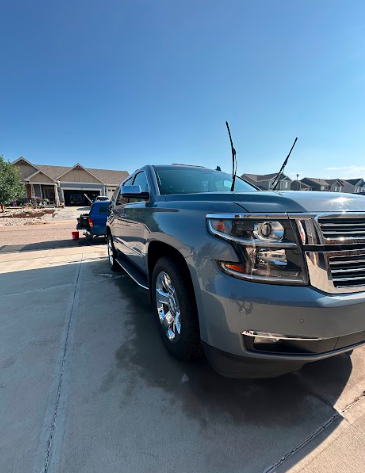
How to Prepare Your Car for Sale: A Detailing Checklist That Boosts Resale Value
Whether you're selling privately or trading in at a dealership, first impressions determine a huge portion of your vehicle's perceived value before a buyer even looks at the mileage or maintenance history. A clean, well-detailed vehicle doesn't just look better in photos, it can meaningfully impact the final offer you receive. Here's a complete pre-sale detailing checklist to help you maximize your return.
Why Detailing Matters So Much Before a Sale
Buyers, whether private individuals or dealership appraisers, make snap judgments based on appearance. A vehicle that looks neglected raises questions about how well it's been maintained mechanically, even if that's not actually the case. Conversely, a spotless, well-cared-for vehicle signals that you've taken good care of it overall, building buyer confidence and often justifying a stronger asking price. Valuation resources like Kelley Blue Book factor overall vehicle condition into their pricing guidance, and visible condition, paint, interior, and cleanliness, is a meaningful part of that assessment.
The Complete Pre-Sale Detailing Checklist
1. Full Exterior Detail
Start with a complete exterior detailing service, including a paint-safe hand wash, decontamination, wheel and tire cleaning, and trim restoration. This step alone dramatically changes how "new" a used vehicle appears in listing photos.
- Hand wash and full decontamination to remove embedded grime
- Wheel, tire, and fender well cleaning
- Bug, tar, and sap removal
- Headlight cleaning if oxidized or hazy
- Streak-free exterior glass and mirror cleaning
2. Paint Correction (If Needed)
If your vehicle has visible swirl marks, light scratches, or dull, oxidized paint, consider paint correction before listing. This is often the single highest-impact step for improving how the vehicle photographs and presents in person, since buyers frequently inspect paint condition closely under direct light.
3. Wax, Sealant, or Ceramic Coating Application
Once paint is corrected, sealing it with wax, sealant, or ceramic coating adds a fresh, glossy finish that photographs beautifully and holds up through the sale process, especially important if there's a delay between listing and final sale.
4. Full Interior Detail
Buyers spend as much time evaluating the cabin as they do the exterior, sometimes more. A thorough interior detailing service should include:
- Deep vacuuming of carpets, seats, and trunk
- Carpet and upholstery shampooing
- Leather cleaning and conditioning (if applicable)
- Odor elimination, especially for smoke, pet, or food smells
- Dashboard, console, and door panel cleaning
- Air vent and cup holder detailing
- Interior glass cleaning
5. Address Odors Completely
Odors are one of the fastest ways to lose buyer confidence, and one of the most commonly overlooked issues by sellers who've grown used to the smell over time. If your vehicle has any lingering smoke, pet, or mildew odor, prioritize professional odor elimination rather than relying on air fresheners, which only mask the problem temporarily.
6. Clean the Engine Bay (When Appropriate)
A visibly clean engine bay can add to a buyer's confidence during inspection, though this should be done carefully to avoid damaging sensitive electrical components. This step is optional but can be a nice finishing touch, particularly for higher-value vehicles or private sales where buyers tend to inspect more closely.
7. Photograph the Vehicle After Detailing, Not Before
This might sound obvious, but many sellers photograph their vehicle before detailing "just to get it listed," then never update the photos. Since listing photos are often the deciding factor in whether a buyer even schedules a viewing, always shoot final photos after detailing is complete, in good natural light.
Detailing Priorities Based on Sale Type
Private Sale
Private buyers tend to inspect vehicles more thoroughly and negotiate based on visible condition. Prioritize the full checklist above, paint correction, protection, deep interior cleaning, and odor elimination, since these buyers often walk away from listings that don't match their photos in person.
Dealership Trade-In
While dealership appraisers are typically less detail-oriented than private buyers, a clean, well-maintained vehicle still supports a stronger trade-in offer. At minimum, prioritize exterior wash, interior deep clean, and odor elimination, the three factors most likely to influence an appraiser's initial impression.
What Not to Skip
If your budget or timeline is limited, prioritize in this order:
- Interior deep clean and odor elimination (buyers notice this immediately)
- Exterior wash and decontamination
- Paint correction (if visible swirl marks or scratches are present)
- Protective wax, sealant, or coating application
Timing Your Pre-Sale Detail
Ideally, schedule your detailing service as close to your listing date as possible, ideally within a few days, so the vehicle still looks fresh for both photos and in-person viewings. If there's a longer gap between detailing and sale, a quick maintenance wash before each showing helps preserve that first impression.
The Return on Investment
While it's impossible to guarantee an exact dollar increase from detailing, since final sale price depends on many factors, a clean, well-presented vehicle consistently sells faster and with fewer negotiation pushbacks than a comparable vehicle that looks neglected. For most sellers, the cost of a professional detail is a small fraction of the potential value it helps protect or unlock during the sale process.
Ready to List? Let's Get Your Car Sale-Ready
Our mobile team can handle your full pre-sale detailing checklist, exterior, interior, and paint correction, right at your home or office.
How Buyers Actually Evaluate a Used Vehicle
Understanding buyer psychology helps explain why detailing has such an outsized impact on the sale process. Most buyers form an initial impression within the first 30-60 seconds of seeing a vehicle, whether in listing photos or in person, long before they check maintenance records or take a test drive. That snap judgment then colors how they interpret everything else: a clean, well-presented vehicle gets the benefit of the doubt on mechanical questions, while a dirty or neglected-looking one invites skepticism and lowball negotiating, even if the underlying mechanical condition is identical.
Common Detailing Mistakes Sellers Make
Only Cleaning What's Visible in Photos
Some sellers focus exclusively on areas that will appear in listing photos, exterior paint and maybe the dashboard, while neglecting the trunk, under-seat areas, and door jambs. Buyers who show up for an in-person viewing often check these overlooked areas specifically, and finding them neglected undermines the trust your listing photos built.
Using Overpowering Air Fresheners Instead of Addressing Odors
An overly strong air freshener scent can actually raise suspicion rather than reassure buyers, many assume it's masking a problem rather than believing the vehicle is simply clean. Genuine odor elimination, rather than covering smells up, builds far more buyer confidence.
Detailing Too Early Before the Sale
If you detail your vehicle weeks before actually listing it, dust and light wear can accumulate again by the time buyers start viewing it. Timing your detail close to your listing date, and doing a quick maintenance wash before each showing, keeps that first impression fresh throughout the sale process.
Ignoring the Engine Bay Entirely
While not every buyer inspects under the hood, more mechanically minded buyers and private-party purchasers often do. A visibly neglected, dusty engine bay can undercut an otherwise excellent presentation, even if it has no bearing on actual mechanical condition.
Documenting Your Detailing Investment
If you've invested in professional detailing, paint correction, or ceramic coating at any point during your ownership, keep those records. Documented professional care, receipts, before-and-after photos, or service history, can be a genuinely persuasive selling point, especially for buyers comparing your listing against similar vehicles without that documented history. It signals a level of care that extends beyond just the pre-sale cleanup, reinforcing buyer confidence in the vehicle's overall condition.
Private Sale vs. Trade-In: Where Detailing Matters Most
While both scenarios benefit from a pre-sale detail, the return on investment tends to be more pronounced in private sales, where buyers have more time, more scrutiny, and more room to negotiate based on perceived condition. Dealership trade-in appraisals are often somewhat more standardized and less influenced by fine presentation details, though a clean, odor-free vehicle still generally supports a stronger initial offer and smoother appraisal process either way.
A Final Walkthrough Before Listing
Before finalizing your listing or bringing your vehicle in for trade-in appraisal, do one last walkthrough with fresh eyes, or better yet, ask a friend or family member to do it, since they'll notice things you've become used to overlooking. Check for: lingering odors, visible interior stains, dashboard dust, dull or swirl-marked paint in direct sunlight, and any small details like sticky cup holders or dusty vents that a buyer's more critical eye is likely to catch.
Frequently Asked Questions
Does detailing really increase a car's resale value?
Detailing itself doesn't guarantee a specific dollar increase, but a clean, well-presented vehicle typically sells faster, receives fewer lowball offers, and creates stronger buyer confidence than a neglected-looking vehicle.
Should I detail my car before or after getting it appraised?
Always before. Appraisers and buyers form impressions quickly based on visible condition, so a fresh detail should happen before any appraisal or listing photos are taken.
Is paint correction worth it before selling a car?
If your vehicle has visible swirl marks, scratches, or dull paint, yes, paint correction is often one of the highest-impact improvements you can make before listing, since buyers frequently scrutinize paint condition closely.
How much does a pre-sale detail typically cost?
Pricing depends on your vehicle's size and condition, along with which services (interior, exterior, paint correction) are included. Contact Altitude Auto Car Care for a personalized quote.
Should I clean the interior or exterior first when preparing to sell?
Both matter, but interior cleanliness and odor elimination often have the biggest impact on buyer confidence, since buyers spend significant time sitting inside the vehicle during a test drive or inspection.