
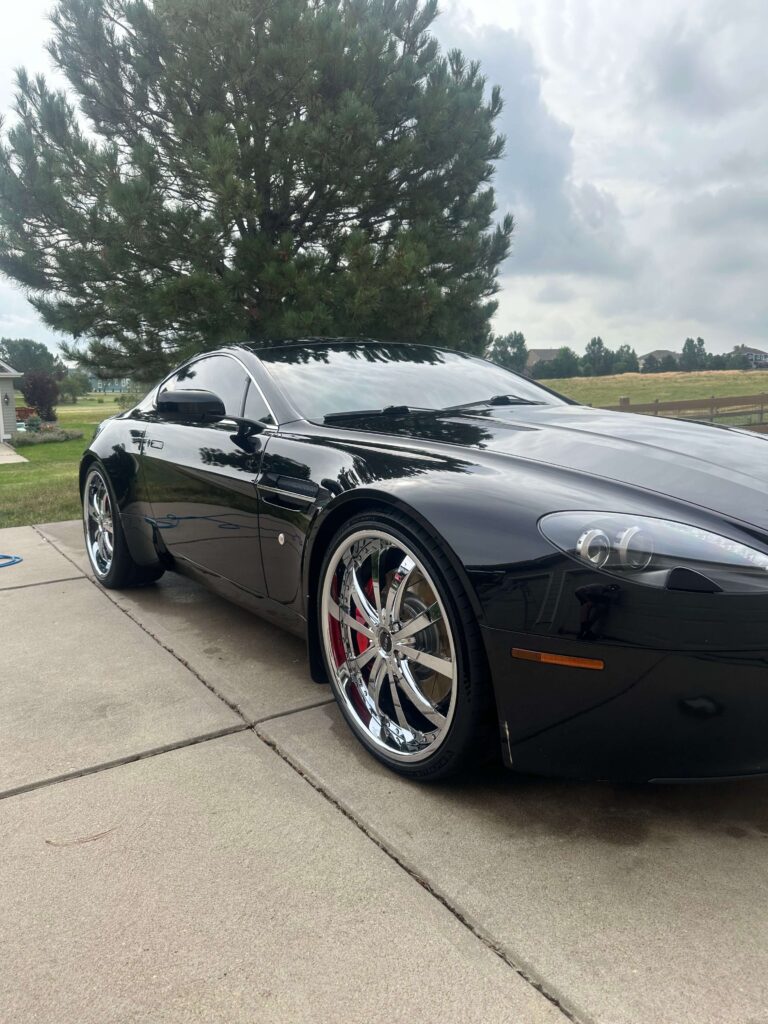
How Often Should You Detail Your Car in Colorado? A Complete Seasonal Schedule
If you've ever typed "how often should I detail my car" into Google after a spring hailstorm or a winter of road salt, you're not alone. Colorado's climate is beautiful, but it's brutal on paint, interiors, and trim. Intense UV exposure at altitude, sudden hailstorms, gritty winter de-icer, and dust from unpaved roads all take a toll on your vehicle faster than in most other states.
At Altitude Auto Car Care, we detail vehicles across Loveland, Fort Collins, Boulder, Longmont, and the greater Denver Metro area every week, and one of the most common questions we hear is simple: how often should I actually be doing this? The honest answer depends on how you drive, where you park, and which service you're asking about. Below, we'll break it down by service type and by season so you can build a maintenance rhythm that actually protects your investment.
Why Detailing Frequency Matters More in Colorado
Most national detailing guides assume a mild, humid climate. Colorado doesn't play by those rules. Front Range drivers deal with:
- High-altitude UV intensity that fades paint, cracks vinyl, and dries out leather faster than at sea level
- Magnesium chloride and other de-icing chemicals that are highly corrosive to paint, wheels, and undercarriage components
- Hailstorms that can strip wax and sealant protection in a single afternoon
- Dust and dirt from gravel roads and new-development construction common around Loveland, Windsor, and Severance
- Extreme temperature swings, sometimes 40+ degrees in a single day, which stress rubber seals, trim, and clear coat
Because of these factors, the "detail twice a year" advice you'll find online usually isn't enough for Colorado vehicles that see daily use.
General Rule of Thumb: How Often to Detail Each Service
Exterior Detailing: Every 4-8 Weeks (Wash), Every 2-3 Months (Full Detail)
A quick paint-safe wash should happen every couple of weeks if you're a daily driver, but a true exterior detailing service, including decontamination, wheel and tire care, and a fresh layer of wax or sealant, should happen every 2-3 months. If your car is uncoated and parked outside, lean toward the 2-month mark, especially heading into hail season or after a hard winter.
Interior Detailing: Every 3-6 Months
Interior detailing should happen every 3 to 6 months for most households, but families with kids, pet owners, rideshare or delivery drivers, and anyone dealing with odors should aim for closer to every 8-10 weeks. Dust and allergens build up fast in cabin air, especially with Colorado's dry, windy conditions blowing particulates through vents and door seals.
Ceramic Coating: Applied Once, Maintained Every 3-4 Weeks
Unlike wax, ceramic coating is a long-term investment that typically lasts 2-5 years depending on the product tier. It doesn't need reapplication on the same schedule as wax, but it does need light maintenance washes every 3-4 weeks to preserve the hydrophobic finish and prevent contaminant buildup on top of the coating.
Paint Correction: As Needed, Then Protect Immediately
Paint correction isn't a recurring service in the same way, it's a one-time (or occasional) restorative treatment to remove swirl marks, light scratches, and oxidation. Most detailers recommend correcting paint once every 1-2 years if the vehicle is otherwise well maintained, and always following it up with wax, sealant, or ceramic coating to lock in the results.
A Season-by-Season Detailing Calendar for Colorado Drivers
Spring (March - May): Post-Winter Recovery Season
This is arguably the most important detailing window of the year. Months of magnesium chloride, sand, and slush leave a corrosive residue on paint, wheel wells, and the undercarriage. Spring is also when Colorado's infamous hailstorms begin. Priorities this season:
- Full exterior detail with decontamination wash to strip winter grime before it etches into clear coat
- Undercarriage rinse to remove de-icing salt buildup
- Fresh wax, sealant, or ceramic coating application before hail season ramps up
- Interior deep clean to remove tracked-in mud, sand, and moisture that can cause mildew odors
Summer (June - August): UV & Dust Protection Season
Colorado's intense high-altitude sun fades paint and dries out interior surfaces faster than most drivers expect. Summer road trips to the mountains also mean more bug splatter, tree sap, and dust.
- Exterior detail every 6-8 weeks to maintain gloss and UV protection
- Leather conditioning to prevent cracking from dashboard heat, which can exceed 190°F in a parked car
- Wheel and tire detailing after mountain trips or dirt-road drives
Fall (September - November): Pre-Winter Prep Season
This is your last chance to lay down solid paint protection before winter chemicals hit the roads again.
- One more full exterior detail and wax/sealant/ceramic maintenance application
- Interior detail before winter, since closed windows and heater use trap dust and odors all season
- Trim and rubber seal conditioning to prevent winter cracking
Winter (December - February): Damage Control Season
Winter isn't the time to skip detailing, it's the time to detail smarter. According to the Colorado Department of Transportation, road treatments and traction requirements are in heavy use across the Front Range and I-70 corridor throughout the winter months, which means your vehicle is regularly exposed to de-icing chemicals and gritty road treatments.
- Frequent undercarriage and wheel well rinses (every 2-3 weeks if possible) to prevent salt corrosion
- Interior mats and carpet care to manage snow melt and slush tracked inside
- Ceramic-coated vehicles need less frequent full details, but still benefit from regular maintenance washes
Signs You're Overdue for a Detail (Regardless of Schedule)
Calendars are a helpful guideline, but your vehicle will also tell you when it needs attention. Watch for:
- Water no longer beads on the paint (a sign wax or coating protection has worn down)
- Persistent odors that air fresheners don't fix
- Visible swirl marks or dullness in direct sunlight
- Sticky residue on interior surfaces
- Rust spots forming near wheel wells or the undercarriage
Does Detailing Frequency Affect Resale Value?
Yes, significantly. A consistently maintained vehicle with documented detailing history typically commands a stronger resale or trade-in value than a comparable vehicle with neglected paint and interior. If you're weighing the investment, it helps to think of regular detailing the same way you think of oil changes: smaller, consistent costs that prevent much larger repair or depreciation costs down the road.
Building a Detailing Plan That Fits Your Lifestyle
Every vehicle owner's ideal schedule looks a little different. A rideshare driver in Fort Collins needs a very different rhythm than a weekend mountain-trip SUV owner in Estes Park. As a 100% mobile detailing company serving Loveland and the surrounding Northern Colorado and Denver Metro area, Altitude Auto Car Care can build a custom maintenance plan around your driving habits, parking situation, and budget, so you're never guessing when it's time for your next detail.
Ready to Put Your Car on a Protection Schedule?
Whether you need a one-time refresh or a recurring seasonal plan, our mobile team comes to you anywhere in Loveland, Fort Collins, Boulder, Longmont, and the Denver Metro area.
Contact Altitude Auto Car Care today or call (970) 966-4452 to schedule your next detail.
Mileage and Driving Habits: Adjusting the Schedule to Fit Your Life
The seasonal calendar above is a strong general framework, but your actual detailing frequency should also reflect how, where, and how much you drive. Two neighbors in Loveland with the same make and model of vehicle can have wildly different detailing needs depending on their daily routine.
High-Mileage Commuters
If you're driving 25,000+ miles a year between Loveland, Fort Collins, and the Denver Metro area for work, your vehicle is accumulating road grime, brake dust, and UV exposure at a faster rate than a low-mileage weekend car. Commuters should generally lean toward the more frequent end of every recommended range, exterior details every 6-8 weeks rather than every 3 months, and interior details every 8-10 weeks instead of every 6 months.
Weekend and Recreational Vehicles
Cars, trucks, and SUVs used mainly for weekend trips to Estes Park, Boulder Canyon, or the mountains often see less daily wear but more intense, concentrated exposure: dirt roads, high-altitude UV, stream crossings, and dust. These vehicles may not need detailing as often overall, but each detail should be more thorough, with extra attention to wheel wells, undercarriage, and interior carpet extraction after off-pavement trips.
Garage-Kept vs. Outdoor-Parked Vehicles
A vehicle parked in a garage overnight is shielded from a huge portion of UV exposure, frost, and airborne dust compared to one parked on the street or in an open driveway. If your car lives outdoors full-time, you'll generally need protective treatments (wax, sealant, or ceramic coating) refreshed more often to keep pace with the additional environmental stress.
Rideshare, Delivery, and Fleet Vehicles
Vehicles used for rideshare or delivery work face a different challenge entirely: constant passenger or cargo turnover. Interior detailing frequency should scale up significantly for these use cases, often every 4-6 weeks, both for hygiene and to protect the vehicle's condition under heavy daily use. Many rideshare drivers in the Fort Collins and Denver Metro area set up a recurring interior detailing plan for exactly this reason.
Common Mistakes That Throw Off a Detailing Schedule
Even well-intentioned vehicle owners often fall into a few predictable patterns that end up costing more in the long run:
Waiting for Visible Damage Before Acting
By the time swirl marks, water spots, or interior stains are obviously visible, the underlying damage has usually been building for weeks or months. A consistent schedule prevents small issues from becoming bigger, more expensive ones.
Treating Wax and Ceramic Coating the Same Way
Because wax and ceramic coating both create a protective barrier, it's easy to assume they need the same maintenance rhythm. In reality, wax needs full reapplication every 6-10 weeks, while ceramic coating mainly needs light maintenance washing on that timeline, with full reapplication only every few years. Mixing up these schedules either wastes money on unnecessary wax applications or leaves a ceramic-coated vehicle under-maintained.
Skipping Detailing During "Bad Weather" Months
It's a common instinct to skip car care during snowy or rainy stretches, reasoning that the vehicle will just get dirty again. In Colorado specifically, this is backwards: winter and monsoon-season months are precisely when your vehicle is exposed to the most corrosive and damaging elements, making consistent care more important, not less.
Building a Realistic, Sustainable Routine
The best detailing schedule isn't necessarily the most aggressive one, it's the one you'll actually stick to. For most Colorado vehicle owners, a sustainable routine looks like this: a quick paint-safe rinse every 2 weeks, a full exterior detail every 8-12 weeks, an interior detail every 3-4 months, and seasonal check-ins timed around spring thaw and the first hard freeze of winter. From there, ceramic coating can reduce the frequency of full exterior details while still keeping your paint protected between visits.
If you're not sure where to start, a professional assessment is often the fastest way to build a plan that fits your specific vehicle, driving habits, and budget, rather than guessing based on generic advice that may not account for Colorado's unique conditions.
Frequently Asked Questions
How often should I wash my car in Colorado?
A basic exterior wash every 2 weeks is a good baseline for daily drivers, increasing to weekly during winter months when road salt and de-icing chemicals are present.
Is it bad to detail your car too often?
Not usually, over-washing with the wrong products can strip wax faster, but professional detailing with paint-safe techniques and quality products won't damage your vehicle even with frequent service.
How long does a ceramic coating last between full details?
Most ceramic coatings last 2-5 years, but they still need maintenance washes every 3-4 weeks to preserve the hydrophobic finish and gloss.
Should I detail my car before winter or after?
Both. A pre-winter detail with fresh protection helps shield your paint from de-icing chemicals, while a post-winter detail in spring removes accumulated salt and grime before it causes lasting damage.
Does frequent detailing help maintain resale value?
Yes. Regularly detailed vehicles typically show less paint fading, fewer interior stains, and less corrosion, all of which support a stronger resale or trade-in value.